
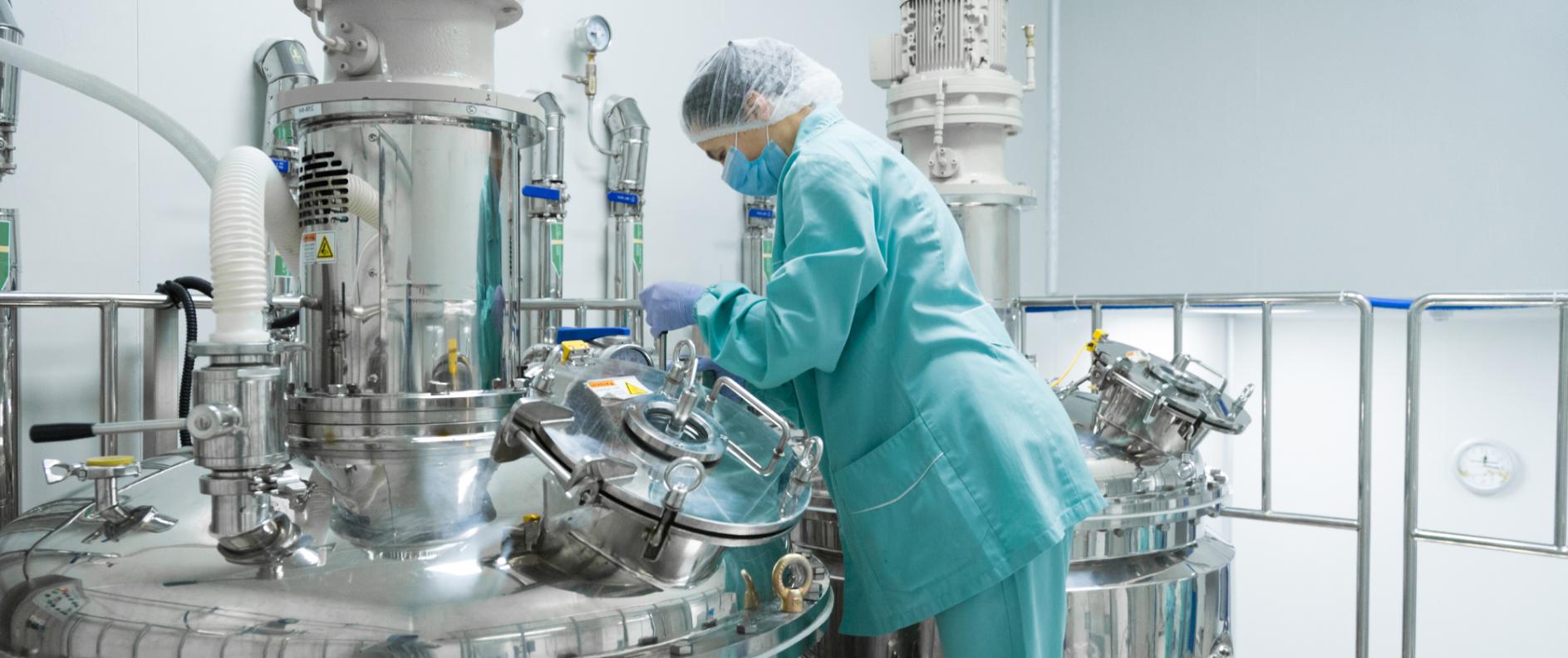
Industrial Chemistry, a branch of chemistry, applies chemical science principles to industrial-scale material production processes and methods. It encompasses the application of chemical principles and techniques to large-scale chemical, material, and product production. This involves developing new chemical processes, optimizing existing ones, ensuring quality control, considering environmental and safety factors, and designing and operating chemical plants. Industrial chemists work across various sectors such as pharmaceuticals, petrochemicals, polymers, food and beverages, and more, contributing to the creation of everyday products and materials. They focus on designing and operating chemical plants, and developing new chemical processes to scale up and intensify production, covering a wide array of products including pharmaceuticals, petrochemicals, fuels, paint, pigments, polymers, food additives, and more. Their emphasis lies on optimizing efficiency, safety, and sustainability in large-scale chemical production.
M. Sc. Chemistry with Specialization (Elective) in Industrial Chemistry
In the first year (Part-I) of the M. Sc. Chemistry Programme, students undertake fundamental and core courses in Inorganic, Organic, Physical, and Analytical Chemistry, providing them with a solid understanding of key concepts and advancements in various chemistry disciplines. In the second year (Part-II) of the program, students have the option to specialize in Industrial Chemistry. This specialization's curriculum blends chemical engineering with pure chemistry, incorporating Unit Operations and Unit Processes. It's designed to cultivate proficient scholars and professionals with comprehensive knowledge of chemical science disciplines and industrial operations. Graduates are equipped to collaborate with chemical engineers in scaling up small-scale chemical reactions to large industrial processes.cial worker can work and establish NGOs for various social issues collaborating with the corporate social responsibility.
Curriculum Overview
(Chemical analysis of industrial raw materials Inorganic material synthesis)
Elective Courses:
Career Prospects
Graduates of this program are qualified for roles in various chemical industries, pharmaceuticals, polymer industries, paint and varnish industries, petroleum industries, and chemical laboratories. Upon completing the M. Sc. Chemistry with Industrial Chemistry Specialization, graduates can pursue positions in multinational corporations in pharmaceuticals, paint, pigment, polymer, cosmetics, fertilizer, and agrochemicals. Potential roles include:
Summary
Industrial chemistry applies chemical principles and techniques to large-scale chemical, material, and product production, encompassing new process development, process optimization, quality control, environmental and safety considerations, and chemical plant design and operation. Industrial chemists work across various sectors, contributing to the production of a wide range of products and materials.
-Dr. Ganesh T. Pawar,
Assistant Professor - Chemistry
School of Basic and Applied Sciences
MGM University
Mob: 9404001032
Email: gpawar@mgmu.ac.in